Build a paid media engine that aligns your marketing, your sales process and scales profit, not just revenue.
We install and run profitable Meta acquisition engines for sales-led brands ready to scale.

More leads was never the problem.
There are three usual ways to get paid growth done, and all three break in the same predictable place.
A person you know
Three to six months and a salary before you know if it’s working. No senior oversight unless you hire that too — and when they leave, what they learned leaves with them.
Someone good, quickly
Often genuinely strong operators. But they bring their own playbook, you’re still the one managing them, and their involvement ends where yours begins.
A method
There’s a system behind it, which helps. You just rarely meet whoever’s in your account, and your category’s quirks get learned on your spend.
A seat, plus the model
A named senior operator in your Slack every business day, running a system that’s written down so it survives them changing. They know what happens after the click, because that’s the half of the job we’re built around.
Every engine runs on three loops. The only question is who’s turning each one.
Most engagements never name them — which is exactly why, when things go quiet, the conversation goes in circles. Three different problems wearing the same symptom.
Amplify What Works
What gets spent, where, on what — and what happens when the numbers move. Budgets, structure, what launches, what scales, what gets killed and when.
How we run it →Revenue Growth Engine
The whole engine read against its numbers — the economics, every stage from click to client, and the offer, message and mechanism reviewed against what they say. Then what changes next.
How we run it →Fuelling The Engine
What gets said, to whom, in what form. The angle, the concept, the script, the asset — and what replaces it when it stops working, which it will.
How we run it →Each step up doesn’t add deliverables. It hands us another loop — and takes one more excuse off the table.
Fractional Paid Media Specialist
A Meta-certified specialist runs the buying every working day and calls you every month. You keep the wheel — the offer, the message, the mechanism, what gets tested next. Off the table: “the media buying is the problem.”
Senior Paid Media Strategist
You get the head, not just the hands. A senior who keeps your offer, message and mechanism aligned, drives the account in line with your go-to-market, and answers for the result every month. Off the table: “the ads aren’t impacting revenue.”
Level 2 is currently full, by referral. Level 3 is by invitation.
The platform can see the click. It can’t see the close.
When a sales team closes your deals, the ad platform sees a lead and stops. It can’t see the close rate, the closed revenue, or what a customer actually cost against what a customer is worth. Every decision you make in that gap is a guess wearing a number.

An agency that learned to advertise anything is quietly getting worse at the part the platform can’t see.
Your ad account is lying to you. Not because it’s broken — because it can’t see the sale. When a person closes the deal, the platform sees the smaller half of the system, and every standard fix — new creative, new targeting, a new buyer — is aimed at the half it can see.
Your marketing lead can hit an MQL target by redefining an MQL. Your closer can hold a close rate by taking fewer calls. Neither of them is lying to you. The metric is. We don’t split credit between channels — we measure whether the engine made more money than it cost, and then we make it make more.
Results from founders who sell through a conversation
Biggest month was $18,000. Eighteen months on, $330,000.
Infinity Training & Coaching Read case study →Launched from nothing to $400,000 a month in under six months.
Jarrah Martin Read case study →Every live event sold out. Revenue up 12× in year one.
Huckstep Coaching Read case study →Six founders. One question answered: did it make money?
“18× revenue growth. Biggest month was $18,000 — eighteen months on it’s $330,000.”
Infinity Training & Coaching“They didn’t just run ads. They built something. Every decision has a reason.”
Jarrah Martin · PEC“Every live event sold out, and revenue was up 12× in the first year.”
Lewis Huckstep“Matt on what changed once the system was in place.”
5th Element Wellness“Found us on LinkedIn in 2022. When they were ready, they came straight to us.”
Kinex Health · Phil Wolfe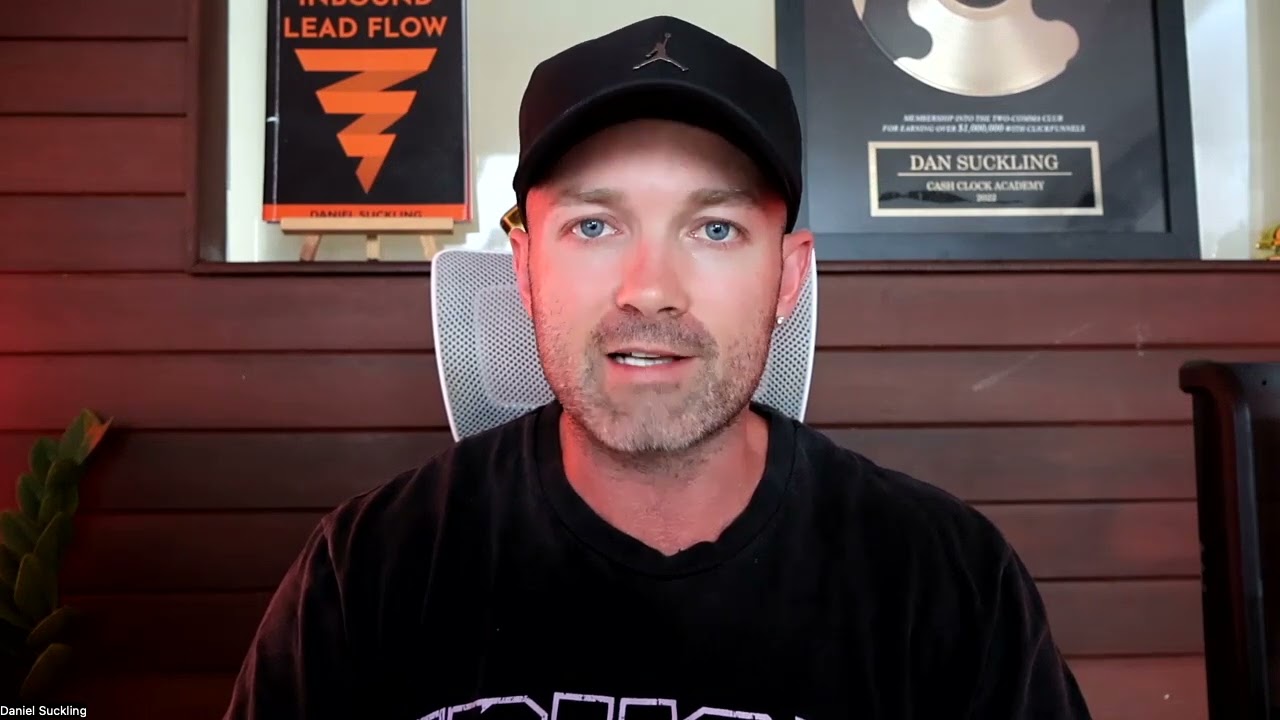 ▶
▶“Built a seven-figure operation without a traditional sales team.”
Dan Suckling









Four steps, and we tell you the truth at every one.
Apply
Tell us about the business, the offer and what the spend is doing now.
Revenue Audit
Thirty minutes on your economics, your offer and your message. No pitch.
Growth Diagnostic
Four weeks, $10,000. It becomes your first month. It ends with which level fits — or that none of them do.
Install
Your seat is filled, the loop starts, and the first pulse lands the following Tuesday.
The Diagnostic returns one of three answers, and all three are real: proceed, not yet, or not us.
Ready to stop guessing what your spend is actually doing?
Most of the founders we audit are competing for three per cent of their market, at a price they have never worked out. Thirty minutes with your numbers on screen tells you both. Sales-led brands with a sales team, a proven offer and paying customers. High ticket or high volume — the ticket size doesn’t decide it, the spend capacity does. Australia, US, UK or Canada. Which level fits is decided in the Diagnostic, not off a page.
Apply for a Revenue AuditThirty minutes, no pitch. We’ll tell you honestly if it isn’t a fit — we turn most enquiries down.